完整指南目前为英文版,我们的团队正在翻译。
Shipping is often the part new importers worry about most. It becomes simple once you know the options.
Sea or air?
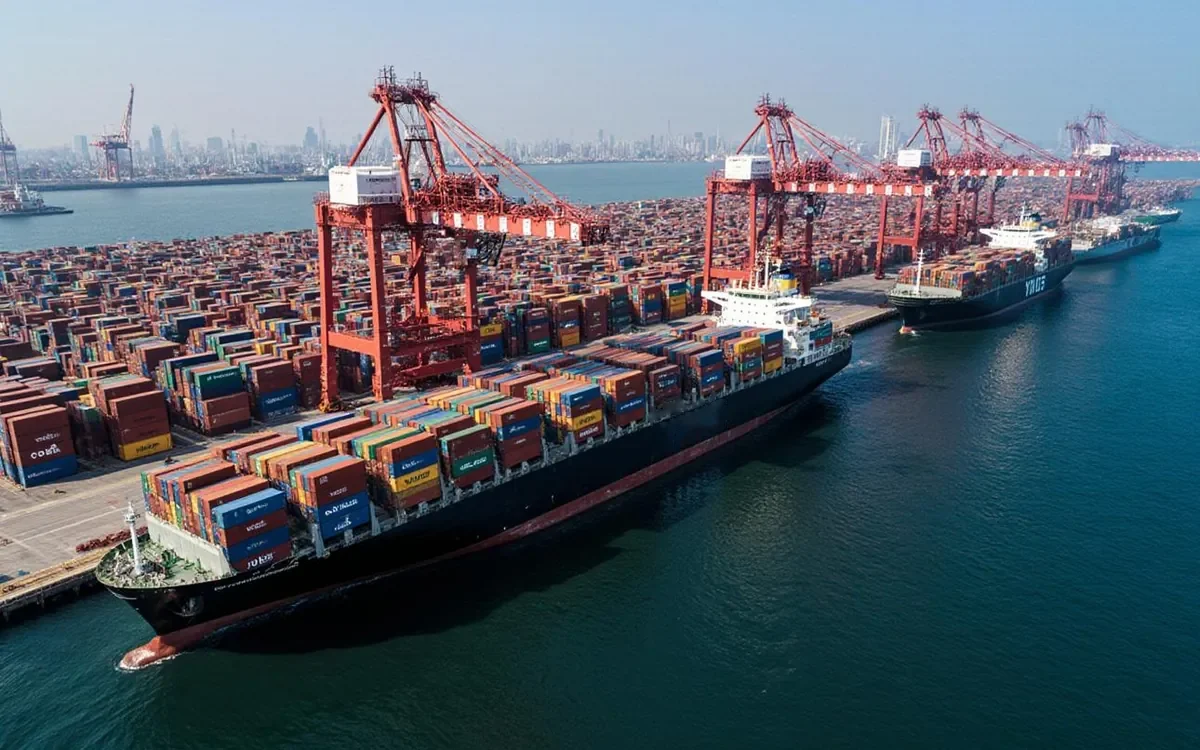
- Sea freight is the usual choice for most goods. It costs much less per kilo and suits larger loads.
- Air freight costs more but suits urgent, small, light or high-value goods.
Full or shared container?
- Full container (FCL): you book a whole 20-foot or 40-foot container. Good value when you have enough goods to fill most of it.
- Shared container (LCL): your goods share a container with other shippers. You pay for the space you use. Good for smaller loads.
At larger volumes a full container is often cheaper than shared space, so it is worth comparing.
How shipping is charged
- Sea (shared): by size or weight, whichever is more. One cubic metre counts as 1,000 kg.
- Air: by actual weight or size-based weight, whichever is more. One cubic metre counts as 167 kg.
- Full container: a price per container.
Light, bulky goods are charged by size. Small, heavy goods are charged by weight.
Documents you will usually need
- Commercial invoice and packing list
- Bill of lading (sea) or air waybill (air)
- Certificate of origin, when your country asks for it
- Any product certificates your country requires
Some countries need extra checks before shipping. For example, some African countries require a pre-shipment inspection.
Door to door, or port to port?
You can ship to your destination port or airport and handle customs yourself, or ask for customs clearance and delivery to your door. Import duties and taxes in your country are always extra.
Special goods
Batteries, chemicals, liquids, food, cosmetics, vehicles and high-value goods need special handling and paperwork, and are always quoted individually.
Get a price
Try our shipping estimate for an indicative price, or request a quote. Routes, prices and paperwork depend on your goods and destination, so every shipment is quoted individually.
发布于 。一般信息,不构成法律、税务或财务建议。