شروط التسليم الدولية (Incoterms): EXW وFOB وCIF وDDP وغيرها
تحدد شروط التسليم الإحدى عشرة من يدفع ماذا ومن يتحمل المخاطر في كل مرحلة من الشحن. إليك معنى كل منها عند الشراء من الصين.
 بقلم فريق Made in China Easy، قوانغتشو ·
الدليل الكامل متاح حالياً بالإنجليزية، ويعمل فريقنا على ترجمته.
Every quote from a Chinese supplier names an Incoterm, such as FOB Shenzhen or EXW Guangzhou. These three or four letters decide where the supplier’s job ends and yours begins: who pays each cost, and who carries the risk if something goes wrong.
The terms you will see most
- EXW (Ex Works): the supplier makes the goods ready at the factory. You arrange and pay for everything after that, including export customs in China. Cheapest on paper, hardest for a first-time importer.
- FCA (Free Carrier): the supplier hands the goods, cleared for export, to the carrier you choose. A good modern choice for container and air shipments.
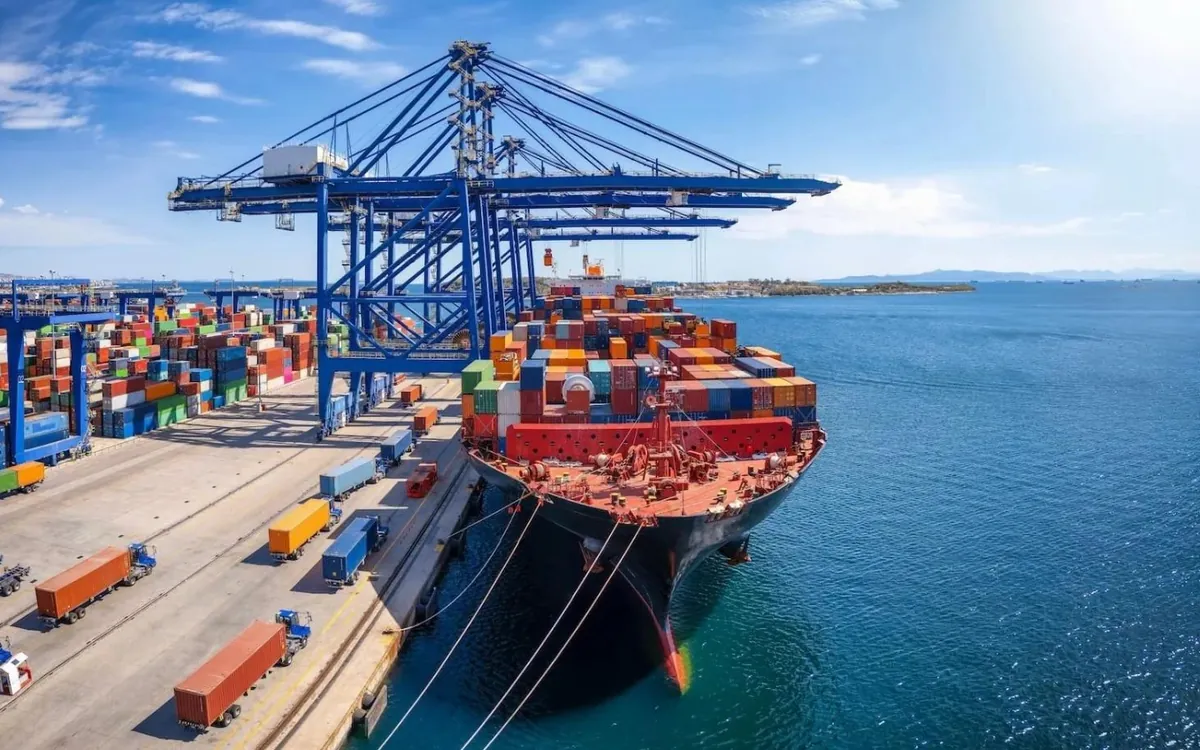
- FOB (Free On Board): the supplier delivers the goods onto the ship at the Chinese port and clears export customs. You pay the sea freight and everything after. The most common term for sea freight from China.
- CFR (Cost and Freight): like FOB, but the supplier also pays the sea freight to your port. Risk still passes to you once the goods are on board in China.
- CIF (Cost, Insurance and Freight): like CFR, plus minimum cargo insurance paid by the supplier. Check the insurance cover; it is often the minimum required.
- DAP (Delivered At Place): the supplier delivers to an agreed place in your country, but you pay import duties and taxes.
- DDP (Delivered Duty Paid): the seller delivers to your door with duties and taxes paid. Simple for you, but you must trust the seller’s customs declaration.
The other terms (FAS, CPT, CIP and DPU) are used less often for goods from China, but follow the same logic: the further the seller carries the goods, the more of the cost and risk they take on.
Which one should you choose?
- First order and small volumes: CIF or DDP keep things simple, but compare the total with an FOB quote plus your own freight.
- Regular container shipments: FOB with your own forwarder usually gives you more control over price and schedule.
- Buying from several suppliers: FCA or FOB to a consolidation warehouse, then one shipment to you.
Three mistakes to avoid
- Comparing an EXW price from one supplier with a CIF price from another. Always compare landed cost.
- Accepting CIF without checking who the insurer is and what the policy covers.
- Agreeing DDP without knowing the duty rate for your product. You may pay for an under-declaration later.
How we help
We read every supplier quote with you, convert it to a landed cost in your currency, and book the shipping on the Incoterm that suits your order. Ask for a shipping quote or work out your landed cost.
نُشر . معلومات عامة وليست استشارة قانونية أو ضريبية أو مالية.